Government
Mission mayoral race headed to runoff
By Carlos Jimenez
Advertisement · Why this ad?
Emma is an alumna of Texas Tech University with a background in Business Administration. She has worked for the Rio Grande Guardian, focusing on economic growth and local businesses in the Valley for the past four years.
More from Emma →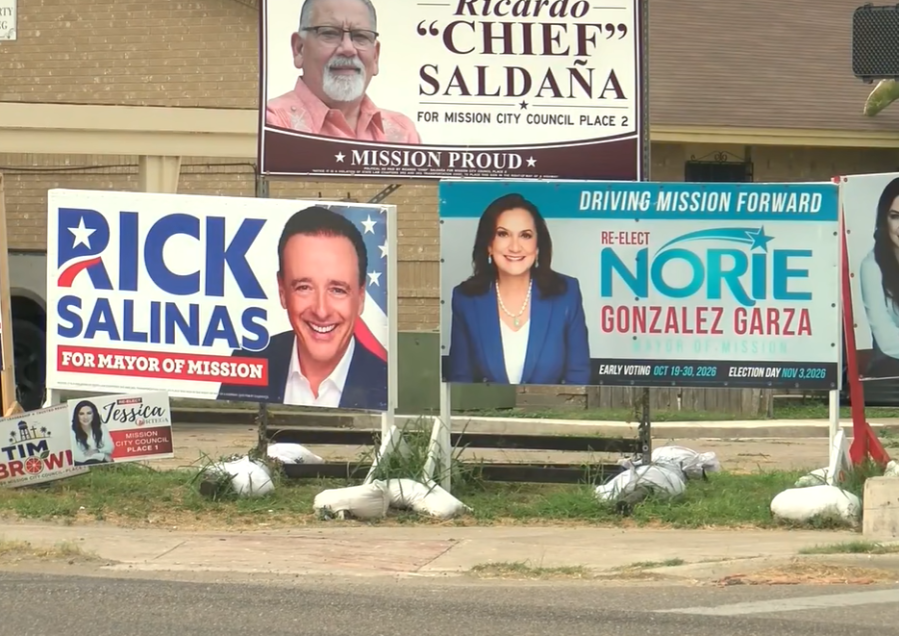
As the sun dipped below the horizon over Mission, a small crowd gathered at the community hall, their faces etched with concern and hope. Among them was Maria Lopez, a lifelong resident who has watched her city evolve over decades. She clutched her family’s photo album, reflecting on the importance of choosing leadership grounded in integrity and faith—values she believes are essential for Mission’s future. This moment encapsulates the high stakes of the upcoming runoff election, where two distinct visions for the city’s trajectory are vying for the trust of its residents.
The recent general election in Mission set the stage for a decisive runoff between incumbent Mayor Norie Gonzalez Garza and challenger Ricardo Salinas. Gonzalez Garza, who has served as mayor for several terms, garnered just under 25% of the vote, while Salinas secured over 34%, signaling a clear desire among voters for change. The election highlighted deep divisions over the city’s financial management, infrastructure projects, and growth strategies.
Gonzalez Garza emphasized her record of maintaining fiscal discipline and supporting community programs, asserting that her experience is vital for steady progress. Conversely, Salinas campaigned on a platform of revitalization and modernization, advocating for increased investment in roads, parks, and public safety. The contrasting visions reflect broader debates across the Rio Grande Valley, where rapid growth often challenges existing infrastructure and community cohesion.
Central to their disagreement are issues like city budgeting and development priorities. Gonzalez Garza has prioritized fiscal conservatism, emphasizing the need to keep taxes low and avoid debt. She argues that responsible management has allowed Mission to weather economic fluctuations without sacrificing essential services.
Salinas, however, pushes for more aggressive infrastructure spending, believing that strategic investments are necessary to accommodate the city’s expanding population. His proposals include new roads, upgraded water systems, and expanded public safety resources—measures that require substantial funding and community buy-in. These differing approaches have sparked spirited debates among residents and community leaders alike.
The community’s response to the candidates’ visions is as diverse as the city itself. Many residents, like Maria Lopez, value strong leadership rooted in faith and family—cornerstones of Mission’s identity. She worries that too much focus on growth could jeopardize the close-knit community she cherishes. Others, however, see the need for bold change to ensure economic opportunities and safety for their children.
Local business owner Juan Ramirez expressed cautious optimism about the runoff, noting that “Mission needs leaders who can balance growth with tradition, faith with progress.” Meanwhile, community activist Rosa Hernandez emphasized the importance of transparent governance, urging voters to scrutinize each candidate’s plans and track record. The election underscores the challenge of aligning diverse community values with practical policies.
The December runoff will test Mission’s resilience and its capacity to unite around a shared vision. Both candidates have committed to engaging with residents more directly, promising town halls and forums to clarify their plans. The outcome will not only determine the mayor’s office but also shape the city’s development path for years to come.
Looking ahead, community leaders emphasize the importance of faith-based values and family stability in fostering a thriving city. As Mission navigates its growth, residents are reminded that true progress hinges on responsible leadership, rooted in integrity and genuine service. The upcoming election is more than a contest; it is a reflection of Mission’s enduring hope for a future where faith, family, and community flourish together.
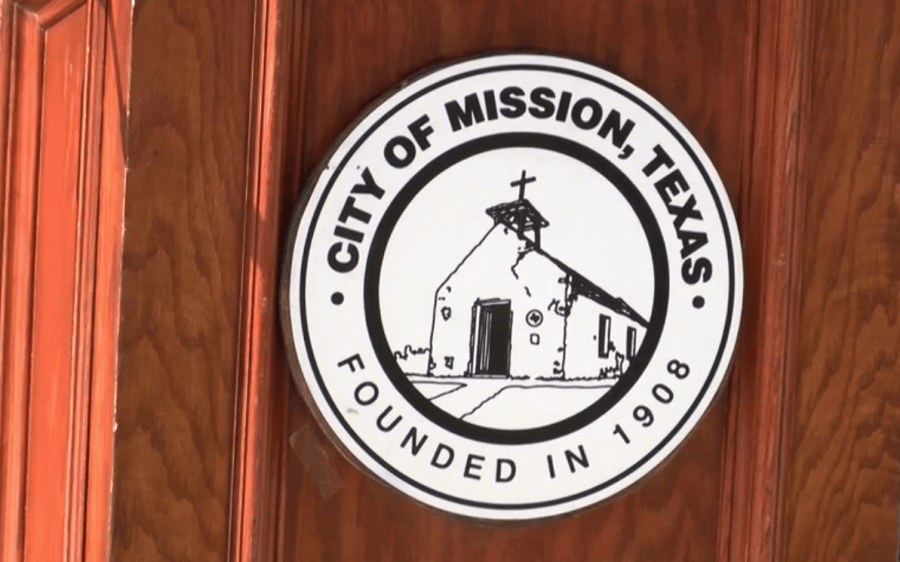
Mission’s history is deeply intertwined with its community’s identity, rooted in agriculture, faith, and family. Founded in the early 20th century, the city grew from small farming communities into a vibrant city that now faces the challenges of urban expansion. Many families in Mission have deep roots dating back generations, and their stories reflect resilience amid economic shifts and demographic changes.
For decades, Mission has been a hub for immigrant families, especially those from Mexico and Central America, who have contributed to the city’s cultural fabric. This diversity is celebrated in local festivals, churches, and schools, which serve as anchors of community life. The city’s growth has brought new opportunities but also new concerns about infrastructure and maintaining the community’s character.
Among the community’s influential voices are local pastors, business leaders, and educators who see the election as pivotal. Reverend Carlos Mendoza of Mission’s First Baptist Church has long advocated for leadership that upholds family values and community service. “Our city’s strength lies in our faith and unity,” Mendoza said. “We need leaders who can listen and serve with integrity.”
Business owners like Rosa Martinez, owner of a local bakery, have expressed hope that the next mayor will prioritize economic development that benefits small businesses and preserves Mission’s unique charm. Education leaders also emphasize the importance of investing in schools to prepare the next generation for a changing economy.
For residents of Mission, the upcoming election isn’t just about choosing a leader; it’s about shaping the future of their homes, schools, and neighborhoods. The city’s growth promises economic opportunities, but also raises concerns about traffic congestion, water supply, and public safety. How these issues are addressed will determine whether Mission continues to thrive or faces growing pains that strain its community fabric.
Many residents worry that unchecked development could lead to loss of green spaces and cultural landmarks. Others are eager for improvements that can provide better services and safer streets. The election has become a focal point for community conversations about what kind of city they want Mission to be in the next decade.
The December runoff will be decisive. Both candidates have vowed to reach out to voters and hold forums to explain their policies in greater detail. Community organizations, churches, and local schools are preparing to host debates and informational sessions to ensure residents are well-informed.
In the coming weeks, residents can expect increased canvassing and outreach efforts. The city’s election commission is also working to ensure that voting procedures are accessible and transparent, especially given the diverse population that includes many first-time voters and non-English speakers.
Ultimately, the election’s outcome will influence the city’s budget priorities, infrastructure projects, and community programs. It will also impact the social cohesion that has defined Mission for generations. As the community looks toward the future, many hope that the next leader will embody the values of service, faith, and responsible growth that have sustained Mission through its history.