
Sports
Week 10 Team of the Week winner: Raymondville Bearkats
By Rosa Gonzalez
Advertisement · Why this ad?
David is a seasoned sports journalist with a Bachelor's degree in Journalism from Texas A&M University. He has spent years covering college sports for various outlets, including KRGV and the San Antonio Express-News, building a strong rapport with local athletes and coaches.
More from David →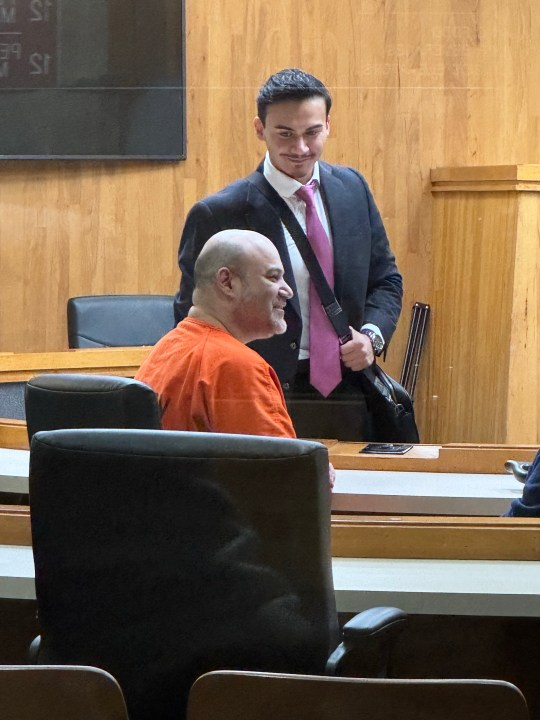
In a courtroom filled with tension, the air thick with the weight of justice, Cameron County District Attorney Luis Saenz stood resolute. Before him lay the case of John Allen Rubio, a man whose fate hangs in the balance, with an execution date looming on the horizon. As the clock ticks down, the stakes couldn’t be higher for the families involved, the legal teams, and the community at large.
On October 28, 2023, Rubio's defense team filed a motion with the Texas Court of Criminal Appeals, seeking to delay his execution scheduled for November 9. Their argument centers around claims of inadequate legal representation during crucial phases of his trial. The motion contends that Rubio's defense attorney failed to present significant mitigating evidence that could have influenced the jury's decision, potentially altering the outcome of the trial.
Rubio, who was convicted in 2008 for the brutal murder of three children in Brownsville, has been on death row for over a decade. The grisly nature of his crime shocked the community, leading to a deep divide in public opinion regarding the death penalty. As the DA's office prepares to respond, the implications of this case extend beyond the courtroom.
The community of Brownsville is grappling with the emotional weight of Rubio's impending execution. For many, the memories of the horrific crime remain fresh, a painful reminder of the lives lost. “It’s hard to believe it’s been so long since that day,” said Maria Gonzalez, a local resident whose family knew the victims. “We want justice, but we also want to ensure that everything is done fairly.”
Many residents express conflicting emotions, torn between a desire for justice and concerns about the fairness of the legal process. The case has become a focal point for discussions about the death penalty, with some advocating for its abolition while others argue for its necessity in cases of heinous crimes. “This isn’t just about one person; it’s about how we as a society handle the worst of humanity,” said local activist Carlos Ramirez, who has been vocal about the need for reform in the criminal justice system.
Local faith leaders are also weighing in, emphasizing the need for compassion alongside justice. Pastor Juan Martinez of the Brownsville Community Church noted, “We must remember that every life is valuable, including the life of the accused. It’s a complex situation that requires us to reflect on our values as a society.” This sentiment resonates with many who are torn between the desire for justice and the principles of mercy.
As discussions unfold, the Cameron County DA’s office is preparing to counter the defense’s motion. In a statement, Saenz emphasized the importance of finality in the judicial process, stating, “The victims’ families deserve closure. Delaying this execution only prolongs their suffering.” His words echo the sentiments of those who have been affected by the tragedy, reminding the community of the human cost of crime.
Community members have also organized vigils and discussions to process their feelings surrounding the case. These gatherings serve as a platform for healing and reflection, allowing residents to share their perspectives on justice and forgiveness. “We need to come together, to talk about what happened and how we can prevent it from happening again,” said community organizer Elena Torres, who has been instrumental in facilitating these dialogues.
The legal arguments surrounding Rubio’s case are complex and layered. The Texas Court of Criminal Appeals will consider not just the merits of the defense's claims but also the broader implications of delaying an execution. Legal experts suggest that the court may lean towards maintaining the original execution date, given the nature of the crime and the exhaustive legal processes that have already taken place.
In Texas, the death penalty remains a contentious issue, with ongoing debates about its morality and efficacy. According to the Texas Department of Criminal Justice, over 200 individuals have been executed since 1976, with many cases drawing national attention. The Rubio case stands out not only for its brutality but also for the legal questions it raises about representation and justice.
Legal analysts have pointed out that the defense's claims of inadequate representation could set a precedent for future cases, especially in Texas, where the death penalty is frequently challenged. “If the court finds merit in the argument, it could lead to a reevaluation of how defense attorneys are appointed and the resources available to them,” explained law professor Dr. Angela Reyes, who specializes in capital punishment cases. This potential outcome could have far-reaching implications for the state's judicial system.
As the Texas Court of Criminal Appeals prepares to hear the arguments, the community watches closely. The DA’s office is set to file its response to the defense’s motion, and a decision is expected in the coming weeks. This timeline adds to the anxiety felt by the victims’ families, who have been waiting for justice for years.
In the meantime, community organizations are mobilizing to provide support for families affected by violent crime. The National Center for Victims of Crime offers resources and counseling, emphasizing the importance of healing in the aftermath of tragedy. Local leaders are calling for a unified approach to support those impacted by crime, highlighting the need for compassionate outreach.
As the court date approaches, community members are also encouraged to participate in discussions about the implications of the death penalty and the justice system as a whole. Town hall meetings are being organized to allow residents to voice their opinions and concerns, fostering a sense of collective engagement in the justice process.
The case of John Allen Rubio is more than just a legal battle; it’s a reflection of the community's struggle with grief, justice, and morality. As the court deliberates, the voices of Brownsville resonate with a mixture of hope and despair. Residents continue to grapple with the legacy of this tragedy, seeking answers and closure while holding onto their faith in a just legal system.
In the coming weeks, as the court makes its decision, the community will remain vigilant, advocating for justice while also reflecting on the deeper issues at play. The outcome of this case will undoubtedly shape the narrative around the death penalty in Texas and will serve as a poignant reminder of the human stories behind the headlines. As Brownsville navigates this tumultuous chapter, the resilience of its residents will be tested, and their collective voice will be crucial in shaping the future of justice in their community.
By Rosa Gonzalez

By Rosa Gonzalez

By David Ramirez
By Linda Huerta