Government
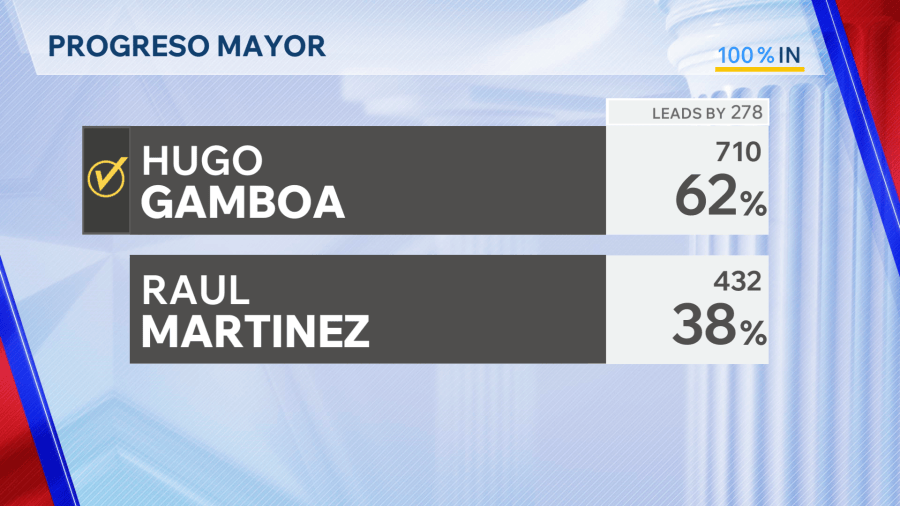
Hugo Gamboa re-elected as Progreso mayor
By Carlos Jimenez
Advertisement · Why this ad?
Linda holds a Master's in Arts Journalism from the University of Southern California and has spent the last four years covering local arts and culture for the Brownsville Herald and various online platforms.
More from Linda →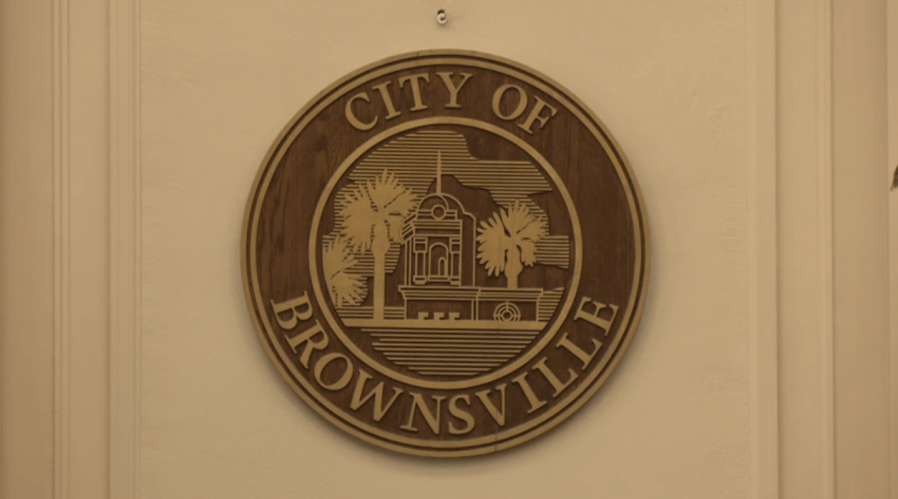
As the sun dipped below the horizon, casting a warm glow over Brownsville, a significant decision was made that could shape the city’s future. In a packed city commission meeting on Wednesday evening, the Brownsville City Commission voted unanimously to impose a 90-day moratorium on data centers. This decision, marked by a palpable tension and anticipation, reflects the city's desire to pause and reevaluate the implications of such developments in their community.
On Wednesday, the Brownsville City Commission held its final reading concerning the moratorium, which halts the processing, acceptance, and approval of data center applications. This pause takes effect immediately as of Thursday, providing the city with the necessary time to assess the potential impacts of these facilities on local infrastructure, the environment, and the community at large. The moratorium was initiated after concerns were raised about the rapid proliferation of data centers and their compatibility with Brownsville's long-term vision.
The decision to impose this moratorium is not merely a bureaucratic maneuver; it signifies a proactive approach by city officials to ensure that any new developments align with the community's values and needs. Brownsville, known for its vibrant culture and commitment to family-oriented growth, seeks to balance technological advancement with the preservation of its unique identity.
Residents have voiced mixed feelings regarding the influx of data centers. While some see the potential for job creation and economic growth, others worry about the environmental impact and the strain on local resources. The moratorium reflects a growing awareness within the community about the importance of sustainable development.
Local resident Maria Gonzalez expressed her concerns, stating, "We want progress, but not at the expense of our neighborhoods. It’s essential that we consider how these data centers will affect our families and the environment." Her sentiments echo a broader apprehension among community members who fear that unchecked growth could lead to unforeseen consequences.
Another resident, Javier Ramirez, a father of three, shared his perspective: "We need jobs, but I worry about what will happen to our water supply and air quality. What kind of future are we creating for our children if we don’t think this through?" This reflects a growing sentiment that economic benefits should not overshadow the potential risks associated with rapid industrialization.
The commission's decision to pause data center applications has been welcomed by many, including environmental advocates who argue for a more sustainable approach to development. According to Carlos Martinez, a member of a local environmental group, "This moratorium gives us a chance to breathe and think about what we truly want for our city. We need to ensure that any growth we pursue is responsible and beneficial for all residents."
The economic landscape of Brownsville is evolving, and data centers are seen as a double-edged sword. On one hand, they promise job creation and increased tax revenues; on the other, they pose challenges that could disrupt the fabric of the community. The city commission's moratorium allows for a thorough examination of these economic implications.
According to city officials, the data center industry is booming, with companies seeking to establish operations in areas with favorable conditions. However, Brownsville's unique demographic and cultural context necessitates a cautious approach. The commission aims to engage with local stakeholders, including businesses and residents, to better understand the community's vision for economic development.
Local business owner, Elena Torres, emphasized the importance of community engagement in this process, stating, "We need to make sure that any development we allow fits with the character of our city. It’s not just about jobs; it’s about how we want our community to look and feel in the future." This sentiment underscores the need for a balanced approach to economic growth that respects the community's identity.
As Brownsville navigates this pivotal moment, the challenge lies in balancing growth with the values that define the community. The city’s commitment to strong families, vibrant neighborhoods, and authentic faith must remain at the forefront of any development discussions. The moratorium serves as a reminder that progress should not come at the expense of the community's core principles.
City Commissioner Maria Elizondo remarked during the meeting, "We are at a crossroads, and how we decide to move forward will define our city for generations. We have to prioritize the well-being of our residents over short-term gains." This perspective is crucial as the city contemplates the future, ensuring that decisions made today will not compromise the quality of life for its residents.
The next steps for Brownsville involve a comprehensive review of the data center proposals that have been submitted prior to the moratorium. City officials are expected to conduct public hearings and engage in discussions with residents to gather input and address concerns. This collaborative approach seeks to ensure that any future developments align with the community's vision and aspirations.
As the city prepares for this important dialogue, the moratorium stands as a testament to Brownsville's commitment to thoughtful and responsible growth. By taking a step back, the city is not only prioritizing the well-being of its residents but also reaffirming its dedication to preserving the values that make it a unique and cherished place to live.
In conclusion, the 90-day moratorium on data centers in Brownsville is more than just a pause; it is an opportunity for reflection, discussion, and planning. As the city moves forward, it is essential that all voices are heard and that the path chosen reflects the collective vision of the community. Brownsville's future hinges on its ability to embrace innovation while staying true to its roots, ensuring that the American dream of stable, loving households remains within reach for all its residents.
In the coming weeks, city officials plan to roll out a series of community engagement initiatives aimed at fostering dialogue among residents. These initiatives will include town hall meetings, online surveys, and focus groups designed to capture a wide range of opinions and concerns. The goal is to create a transparent process where community members feel empowered to share their thoughts and contribute to shaping the future of Brownsville.
Local non-profits and civic organizations are also expected to play a key role in facilitating these discussions. Groups like the Brownsville Environmental Coalition and the Brownsville Chamber of Commerce are poised to bridge the gap between residents and city officials, ensuring that all perspectives are considered. This collaborative effort is crucial for fostering trust and ensuring that the decisions made reflect the community’s collective voice.
The decision to impose a moratorium on data centers in Brownsville is not an isolated incident. Across the country, many cities are grappling with similar issues as they seek to balance economic growth with community well-being. Data centers, while offering significant economic potential, also raise critical questions about sustainability, resource management, and the long-term health of local ecosystems.
In regions like Silicon Valley, the rapid expansion of tech facilities has led to increased traffic congestion, rising housing costs, and environmental degradation. Brownsville's proactive stance serves as a model for other cities facing similar challenges, demonstrating the importance of taking a measured approach to development that prioritizes the needs of residents.
By Carlos Jimenez

By Marcus Delgado
By Jared Thompson

By Rosa Gonzalez