Jodey Arrington makes statement on midterm election
Rick Lane has dedicated nearly 12 years to community journalism, previously working for the Amarillo Globe-News. He holds a degree in Journalism from West Texas A&M University and has a passion for highlighting local initiatives and grassroots movements.
More from Richard →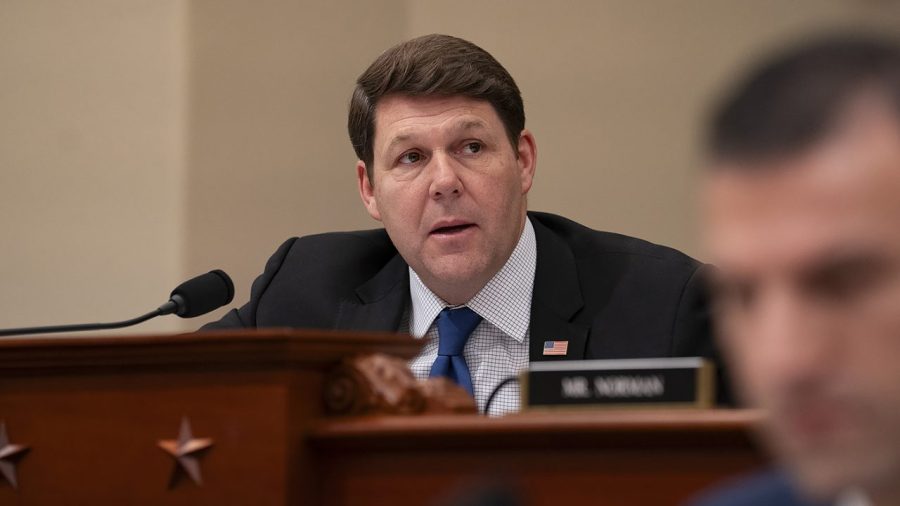
In this story
As the sun dipped below the horizon, casting a warm glow over Lubbock, residents gathered at the local community center, their faces reflecting a mix of hope and concern. Among them was U.S. Representative Jodey Arrington, who took the stage to address a pressing issue that has been on the minds of many Texans: the recent midterm elections. His words resonated deeply, signaling a pivotal moment for the Republican Party in Texas.
The Wake-Up Call
In a statement released shortly after the midterm elections, Arrington emphasized the need for Texas Republicans to reassess their strategies and connect more effectively with voters. He described the election results as a "wake-up call," suggesting that complacency could no longer be afforded in the ever-evolving political landscape. With a significant shift in voter sentiment, especially among younger demographics, Arrington's message was clear: change is necessary.
"We must listen to the voices of our constituents and adapt to their needs and concerns," he stated. This call to action reflects a broader recognition within the party that the status quo may not suffice as Texas continues to grow and change. The midterms highlighted a critical moment for reflection and recalibration, particularly in urban areas where Republican support has waned.
Understanding the Election Landscape
Arrington's statement comes in the wake of a midterm election that saw several surprising outcomes across Texas. The results indicated that many traditional Republican strongholds were challenged as voters expressed their desires for new leadership and policies. This shift is not just a fleeting trend; it signals a potential transformation in Texas politics that could impact future elections.
According to exit polls, many voters cited issues such as healthcare, education, and economic opportunities as top priorities. These concerns, particularly among younger voters and suburban families, have become pivotal in shaping electoral outcomes. Arrington acknowledged these trends, urging his fellow Republicans to engage more meaningfully with these communities to regain lost ground.
Local Perspectives on the Shift
In Lubbock, the midterms saw a noticeable increase in voter turnout, particularly among younger voters aged 18 to 29. This demographic shift has caught the attention of local leaders and activists. Many believe that the changing political landscape reflects a broader desire for representation that aligns with the values and priorities of a diversifying population.
Local educator and activist, Sarah Thompson, expressed her thoughts on Arrington's statement, saying, "It's encouraging to hear our representatives acknowledge the need for change. Young people want to see leaders who understand their challenges, especially when it comes to education and job opportunities. We need to be part of the conversation, not just an afterthought."
Community Voices
The response from the community has been varied, with many residents expressing their thoughts on Arrington's statement. Local business owner Maria Gonzalez shared her perspective, stating, "I think it's about time our leaders realize that we need to hear from them more. It's not enough to just show up during election season; we need ongoing dialogue about the issues that matter to us."
Others echoed similar sentiments, emphasizing the importance of transparency and accountability in leadership. As Lubbock continues to grow, many residents are eager for representation that reflects their values and concerns. Arrington's acknowledgment of these issues may serve as a bridge to reconnecting with constituents.
Building Bridges with Diverse Communities
As Lubbock becomes more diverse, the need for inclusive representation is more important than ever. Many community leaders are calling for initiatives that not only engage traditional Republican voters but also reach out to underrepresented groups, including Hispanic and Black communities. Local activist and community organizer, James Rivers, noted, "If we want to move forward, we need to ensure that everyone feels they have a seat at the table. This is about building a Texas for all of us, and that starts with listening to each other."
The Path Forward
Looking ahead, Arrington outlined a vision for the future of the Republican Party in Texas. He stressed the importance of grassroots engagement, urging party members to prioritize local issues and foster relationships with constituents. "We need to be present in our communities, not just during election cycles but year-round," he said. This approach aims to create a more inclusive political environment where all voices are heard.
Moreover, Arrington highlighted the significance of collaboration with local leaders and organizations. By working together, he believes the party can better address the unique challenges faced by Texas families. Initiatives focused on education reform, healthcare access, and economic development are crucial areas where he sees potential for bipartisan support.
Engaging the Next Generation
Part of Arrington's strategy involves engaging younger voters who are increasingly becoming a decisive factor in elections. The Republican Party has historically struggled to capture this demographic, but Arrington's recognition of their importance signals a potential shift in approach. Local universities, such as Texas Tech University, have become hubs for political engagement, with student organizations advocating for issues like climate change, education reform, and healthcare access.
Student leader Laura Kim stated, "We want to see our voices reflected in policy decisions. If the Republican Party wants to connect with us, they need to understand what matters to our generation. It's about more than just party affiliation; it's about our future."
Embracing Change
As the landscape of Texas politics continues to evolve, Arrington's statement serves as a reminder that change is not only necessary but inevitable. The Republican Party must embrace this shift and adapt to the changing needs of its constituents. This requires a commitment to listening, learning, and leading in ways that resonate with the diverse population of Texas.
In Lubbock, residents are hopeful that their voices will be heard and that their needs will be prioritized. As families gather around dinner tables discussing the future, they are looking for leaders who will champion their causes and work tirelessly to create a brighter future for all Texans.
Conclusion: A New Chapter for Texas Republicans
As Lubbock looks to the future, Representative Jodey Arrington's call to action may mark the beginning of a new chapter for Texas Republicans. By recognizing the need for change and committing to a more engaged and responsive leadership style, the party has the potential to rebuild trust and support within its communities.
The upcoming months will be crucial as Arrington and his colleagues take proactive steps to connect with voters and address their concerns. This renewed focus on community engagement could redefine the political landscape in Texas, ensuring that the voices of Lubbock and beyond are not only heard but actively incorporated into the decision-making process.